
Creative Community
On Wes Anderson's collaborations
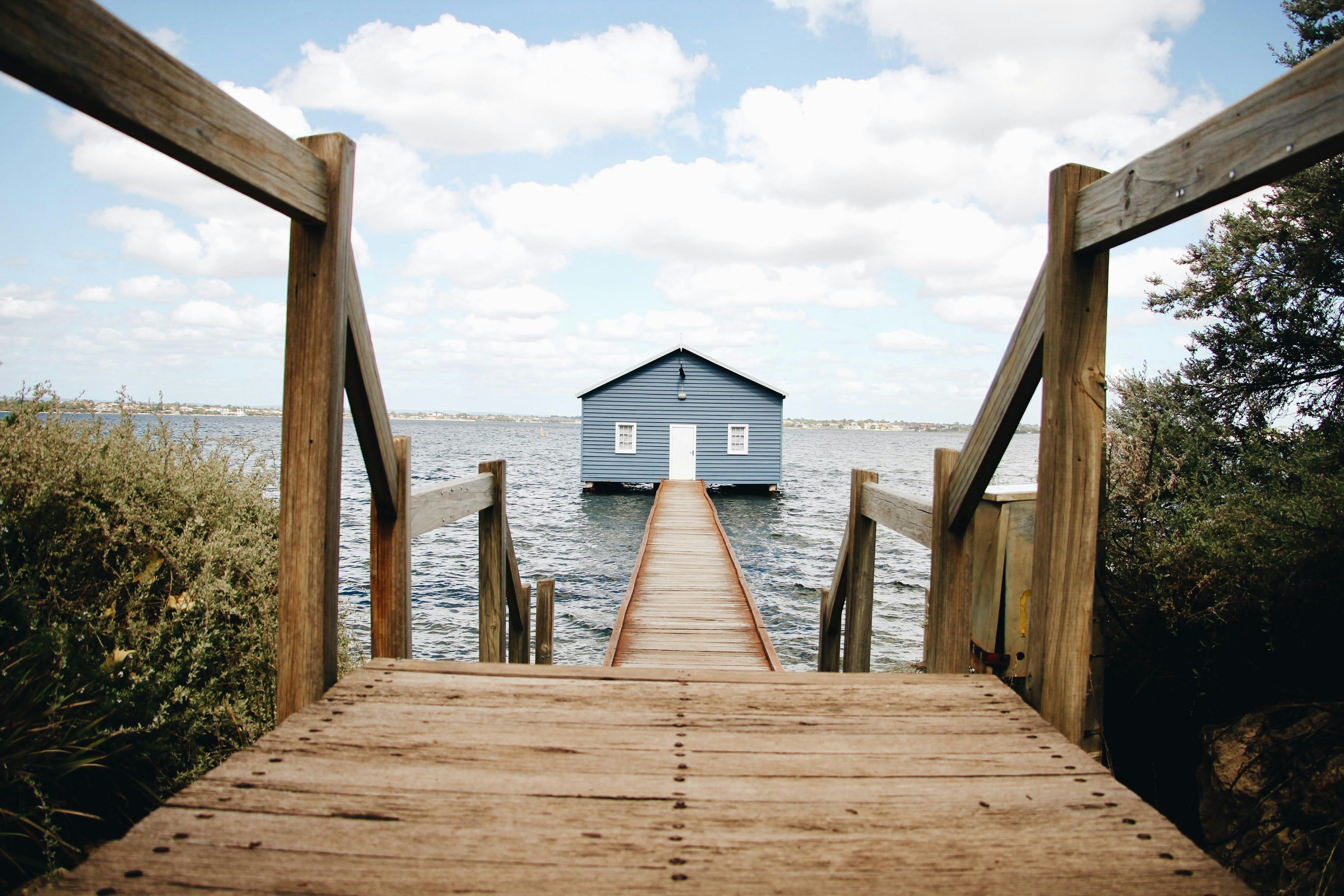
When I lived in the convent I became obsessed with Wes Anderson. I’d surrendered possessions, some control—but this was only the first step towards becoming a sister and I wasn’t sure if I’d be able to stream movies later, in the novitiate. Overall I was in a posture of detachment, but the one thing I needed to complete before I surrendered my life was to watch every last Wes film.
During my podcast and article deep-dive I became fascinated by Anderson’s origin story because he’s a Texan like me. Wes grew up in Houston and his UT friends Owen and Luke Wilson are from North Texas, where I’m from. Their early success fascinated me: the three friends lived together after college, showed the short version of Bottle Rocket at Sundance in 1993, and got picked up by a studio when they were only 24 years old. There’s something extraordinary in this—synchronicity? Destiny?
As I continued to follow Anderson’s story, I began to suspect that creative community propelled his success. The first films were made by close friends: Bottle Rocket, Rushmore, and The Royal Tennenbaums were all co-written by Owen Wilson. Wes Anderson went on to collaborate with Noah Baumbach, Roman Coppola, and Jason Schwartzman on screenplays. And, of course, he’s well known for working with the same production professionals film after film and cultivating an “acting troupe” made up of Bill Murray, Tilda Swinton, Willem Dafoe, Anjelica Huston, Adrien Brody, and a host of others who enjoy working with him. The practice of his which truly captivated me, though, is his hosting a feast for cast and production department heads every night of the shoot.
Wes Anderson’s friendships are not just friendships, it seems, and his professional relationships are not transactional. Friendship seems to lead to volcanic creativity, and professional collaborations seem to lead to decades-long partnerships (composers Mark Mothersbaugh and Alexandre Desplat, Robert Yeoman the cinematographer.) And then, as if this wasn’t enough, when the cast and crew are gathered, he allows them to break bread together and form a creative community.
This is my summary:
Creativity is life.
On the third day of my prayer retreat before I leaving the religious community, my director had me pray about my relationship with my God. I wasn’t going to try to see Jesus as my spouse any longer. Who was and is he to me? Who am I to him? As I walked along ocean cliffs, a short line kept running through my heart:
You will know me in the breaking of the bread.
You will know me in the breaking of the bread. Don’t seek me in your interior, in your own thoughts, perceptions, or even prayer experiences; instead seek me in the encounter with life. It’s a promise: you will find me as you touch the fabric of your own life. (Just so with art. Will a creative life lead me primarily within, or rather, towards the encounter with my friends in conversation and in community?)
Celine, the character in Before Sunrise, says it well: “I believe if there's any kind of God it wouldn't be in any of us, not you or me, but just this little space in between. If there's any kind of magic in this world it must be in the attempt of understanding someone sharing something.”
These are some forms of creative community that you may have experienced—or maybe you’d like to try!
Mutual encouragement: Share work (pictures, documents) back and forth with friends in a weekly meetup or over text/email to celebrate what you’ve made.
Accountability partner: Self-report to your buddy whether or not you made a creative goal (time spent, draft finished) and what you plan to do next; offer the same for them.
Creating together: Gather to respond to writing/art prompts and then share what you’ve made. Or designate a sacred time each week when you’ll work on your own projects in your own space.
“Literary correspondence”: What are you reading? How are your thoughts about life and art progressing? Are you experimenting in your craft? Share with a friend over email, letter, voice memo.
Workshop: A classic form of creative community. Gather to respond in-depth to another person’s work and share critiques.
This post (and this Substack!) is dedicated in gratitude to all my creative friends and family members. THANK YOU for making my life so rich.
Secondly, it is dedicated to you, the reader.
This Substack will be published, not on a schedule, but based on my sense that something I have to share will benefit others. It is free.
I pray that this Substack can be a seed of contemplation and a spark of the divine fire for you. I welcome your response (even if we don’t know each other) because it would be very encouraging to me! If there other forms of creative community or collaboration that have been meaningful for you, please share!